Estate Planning Basics: Essential Information and Guide
Estate planning is a crucial step in managing your future. It ensures your assets are distributed according to your wishes.
Without a plan, your loved ones may face legal challenges. This can lead to unnecessary stress and financial burdens.
Understanding estate planning basics can help you avoid these issues. It involves creating documents like wills and trusts.
These documents outline how your assets should be handled. They also designate who will make decisions if you're unable.
This estate planning guide will provide essential estate planning tips and estate planning strategies. You'll learn how to protect your legacy effectively.
What Is Estate Planning? Understanding the Basics
Estate planning is the process of preparing tasks that manage your asset base in case of incapacitation or death. It involves estate planning essentials like a comprehensive plan with legal documents such as wills and trusts.
These instruments ensure your assets are distributed as per your wishes. Key components also include appointing decision-makers through power of attorney. This designation allows someone to manage your affairs if you cannot.
Estate planning encompasses not just distribution of wealth but also healthcare preferences. These preferences are specified through healthcare directives. Without proper planning, your estate might face legal complications and higher taxes.
A complete estate plan should typically include:
- Wills
- A Trust
- Powers of attorney for Property
- Healthcare Power of Attorney
- Funeral Designation
Planning your estate can safeguard your legacy. It provides peace of mind knowing your loved ones will be cared for.

Why Estate Planning Matters: Key Benefits
Estate planning is crucial for numerous reasons. It ensures your assets are distributed according to your intentions, reducing potential family conflicts. A well-structured estate plan can also minimize taxes and fees, preserving more wealth for your beneficiaries.
Without proper planning, your estate might undergo a lengthy probate process. Probate can be costly and public, impacting your beneficiaries' access to assets. Estate planning eliminates uncertainties and streamlines asset distribution.
Key benefits of estate planning include:
- Minimizing taxes and legal fees
- Avoiding probate and its complications
- Ensuring dependable care for dependents
Ultimately, estate planning provides security and clarity. It guarantees your wishes are respected and your legacy is preserved.
Essential Estate Planning Documents
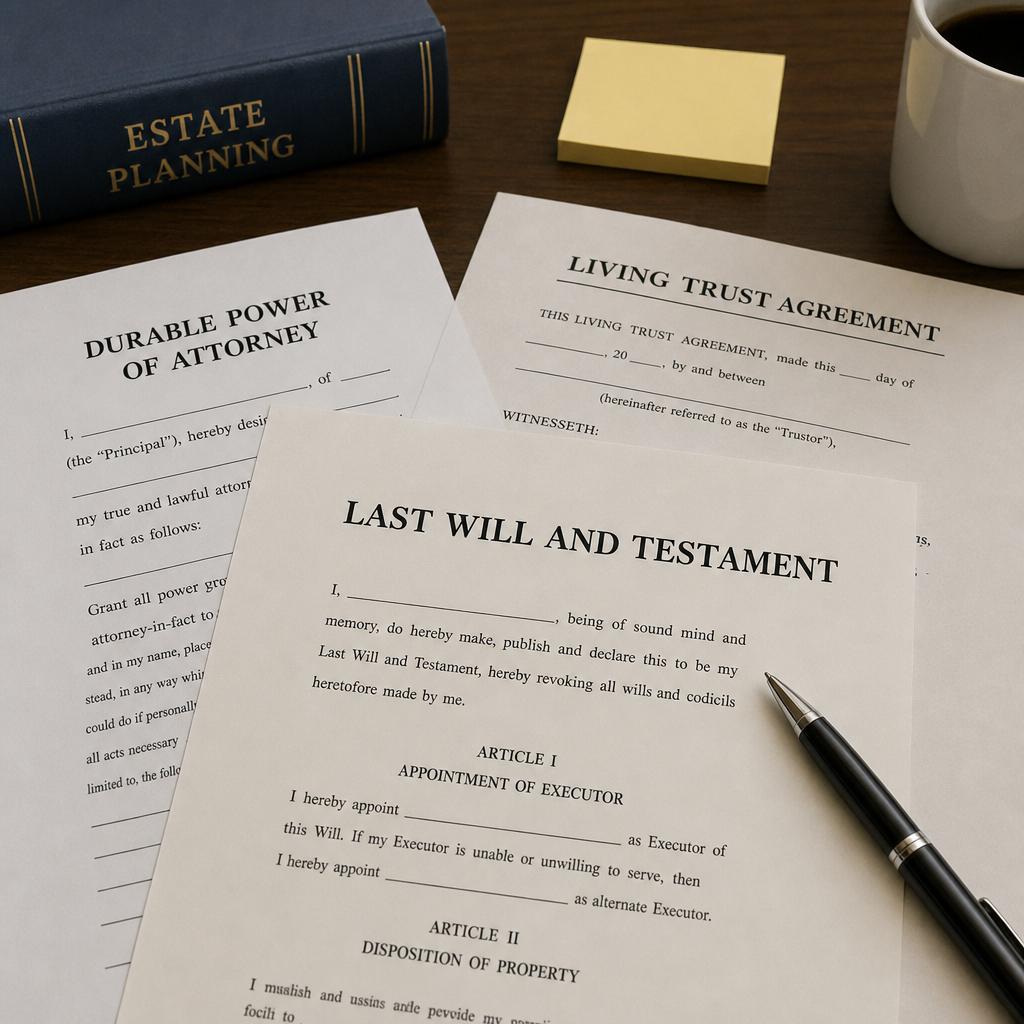
Essential documents form the backbone of any robust estate plan. Each serves a unique purpose, ensuring that all aspects of your wishes are legally protected.
The most fundamental document is a will. It outlines how your assets should be distributed upon your passing. Without a will, state laws dictate asset distribution, which might not align with your preferences.
In addition to a will, trusts play a vital role. They manage and protect assets during and after your lifetime, offering privacy and potentially reducing estate taxes.
Healthcare directives and powers of attorney are crucial for planning incapacitation scenarios. They ensure that decisions about your health and finances are made per your wishes if you're unable to communicate.
Here’s a quick list of essential estate planning documents:
- Last Will and Testament
- Revocable and Irrevocable Trusts
- Durable Power of Attorney
- Healthcare Directives
- Living Will
These documents work in tandem, forming a comprehensive estate plan. Remember that regularly reviewing these documents ensures they reflect your current intentions and life circumstances.
Wills: The Foundation of Your Estate Plan
Wills are the cornerstone of any estate plan, establishing clear directives for asset distribution. This legal document ensures your possessions are allocated according to your wishes after death.
A will can address various issues, from naming guardians for minor children to assigning specific items to individuals. Without one, state laws decide asset distribution, which might not reflect your wishes.
It's crucial to draft a will with care. Consulting with an estate planning attorney helps ensure it meets legal requirements, providing peace of mind.
Trusts: Managing and Protecting Assets
Trusts are powerful tools in estate planning. They can effectively manage and preserve your assets, ensuring they are distributed according to your wishes.
One advantage of a trust is its ability to bypass probate. This saves time, money, and maintains privacy for the beneficiaries. Trusts can be tailored for specific purposes, such as educational funds or care for special needs dependents.
There are various types of trusts, such as revocable and irrevocable. Choosing the right one depends on your specific goals and circumstances. An estate planning attorney can offer valuable guidance.
Power of Attorney and Healthcare Directives
A Power of Attorney (POA) is critical for managing affairs in case of incapacitation. It gives someone authority to make decisions for you, ensuring your wishes are respected.
Healthcare directives specify your medical treatment preferences if you cannot voice them. This includes a living will that outlines end-of-life care wishes, providing clarity in stressful times.
Selecting a trusted individual for these roles is paramount. Without these documents, family disputes and legal challenges may arise, complicating decision-making during critical moments.
The Estate Planning Process: Step-by-Step Guide
Estate planning may seem overwhelming, but breaking it down into steps makes it manageable. Here's a guide to help you navigate the process efficiently.
Begin by taking a complete inventory of your assets and liabilities. This list forms the foundation for all subsequent planning decisions. Include properties, investments, bank accounts, and debts to get a complete picture.
Next, define your goals and consider your beneficiaries' needs. Determine how you want your assets distributed and who will inherit specific items. This clarity helps in drafting effective wills and trusts.
Consult with professionals, like estate planning attorneys and financial advisors. Their expertise ensures that your plan meets legal requirements and optimizes tax benefits. They can also offer valuable insights on complex matters.
Now, prepare your essential documents: wills, trusts, powers of attorney, and healthcare directives. These are fundamental to a comprehensive estate plan. Each document addresses different aspects of asset management and personal wishes.
Finally, review and update your plan regularly. Life changes—such as marriage, divorce, or births—require updates to reflect your current intentions accurately.
Estate Planning Checklist: What to Include
Creating an estate planning checklist ensures you don't miss vital components. It serves as a handy reference throughout the planning process.
Start by listing essential documents, such as wills, trusts, and powers of attorney. Also, include healthcare directives, which specify your medical care preferences. These are necessary for a complete plan.
Here's what to include in your checklist:
- Complete asset inventory
- Defined distribution goals
- Updated beneficiary designations
- Guardianship designations for minors
- Arrangements for digital assets
- Regular review schedule
Having this checklist keeps your planning organized. It acts as a reminder to address every critical aspect. By following a checklist, you can be sure that your estate plan is robust and current.
Common Estate Planning Strategies and Tips
Effective estate planning requires strategic thinking and careful attention to detail. The estate planning strategies below can optimize your plan. By using these strategies, you can protect assets and reduce taxes.
Consider setting up a revocable living trust. This can help avoid the lengthy probate process. It's a flexible option that allows you to manage assets during your lifetime.
Another strategy is gifting assets during your lifetime. This reduces the taxable estate size and can benefit your heirs sooner. It's important to understand the annual gift tax exclusion to maximize this approach.
A few helpful tips include:
- Regularly update your beneficiary designations
- Keep communication open with family members about your wishes
- Review your estate plan after major life events
These strategies aim to preserve your legacy effectively. By planning carefully now, you ensure your wishes are honored and your loved ones are secure in the future.
Avoiding Common Estate Planning Mistakes
Updating and Reviewing Your Estate Plan
Life changes, and so should your estate plan. Regular reviews ensure your plan reflects current wishes and circumstances.
Key times to update your estate plan include:
- Marriage or divorce
- The birth or adoption of a child
- Significant changes in assets or financial situation
Ensure your plan remains relevant and effective by reviewing it every few years. Staying proactive prevents future complications and ensures your wishes are honored.
When to Seek Professional Estate Planning Advice
Consulting an estate planning attorney can be invaluable, especially if your situation is complex. Professionals provide tailored advice and ensure compliance with legal standards.
Seek advice if you're unfamiliar with estate laws or managing significant assets. Expert guidance can simplify the process and provide peace of mind that your plan is sound.
Conclusion: Securing Your Legacy
Estate planning is essential for protecting your legacy and ensuring your wishes are honored. Through careful preparation, you provide clarity and security for your loved ones.
An effective estate plan reflects your values and provides peace of mind. Take steps now to craft a legacy that supports your heirs and preserves your assets for the future.
Q&A
Question: What should a complete estate plan include?
Short answer: A complete estate plan typically includes a will, trusts, a durable power of attorney, and healthcare directives (including a living will). Together, these documents direct how your assets are distributed, name who can make financial and medical decisions if you’re unable, and capture your healthcare preferences. Your plan should also account for practical details like updated beneficiary designations, guardianship choices for minor children, arrangements for digital assets, and a schedule to review and update everything as your life changes.
Question: How do a will and a trust differ, and do I need both?
Short answer: A will states who receives your assets after death and can name guardians for minor children, but assets passing by will generally go through probate, which can be public, lengthy, and costly. A trust, by contrast, can manage and protect assets during your life and after, often bypassing probate to save time, reduce costs, and enhance privacy; it may also help with tax planning. Many people use both: a will to cover items not in the trust and guardianship provisions, and a trust to streamline distribution and ongoing asset management.
Question: What protects my interests if I’m incapacitated—and what happens without these documents?
Short answer: A durable power of attorney authorizes someone you trust to handle your financial and legal affairs if you cannot, while healthcare directives (including a living will) record your medical treatment preferences and name someone to make healthcare decisions on your behalf. Without these, families may face disputes and legal hurdles to make urgent decisions, adding stress and delay at critical moments.
Question: How can I avoid probate and reduce taxes and fees for my heirs?
Short answer: Establishing a revocable living trust is a key strategy to help assets pass outside probate, preserving privacy and saving time and money. Trusts can also be tailored to specific goals and may help reduce estate taxes. Gifting assets during your lifetime can decrease the size of your taxable estate and benefit heirs sooner. Pair these strategies with regular reviews, professional guidance, and up-to-date beneficiary designations to keep your plan efficient and aligned with your goals.
Question: When should I review and update my estate plan?
Short answer: Review your plan every few years and after major life events such as marriage or divorce, the birth or adoption of a child, or significant changes in your assets or finances. Revisit beneficiary designations, guardianship choices, and provisions for digital assets to ensure they still reflect your intentions. Regular updates keep your plan relevant, prevent complications, and help ensure your wishes are honored.